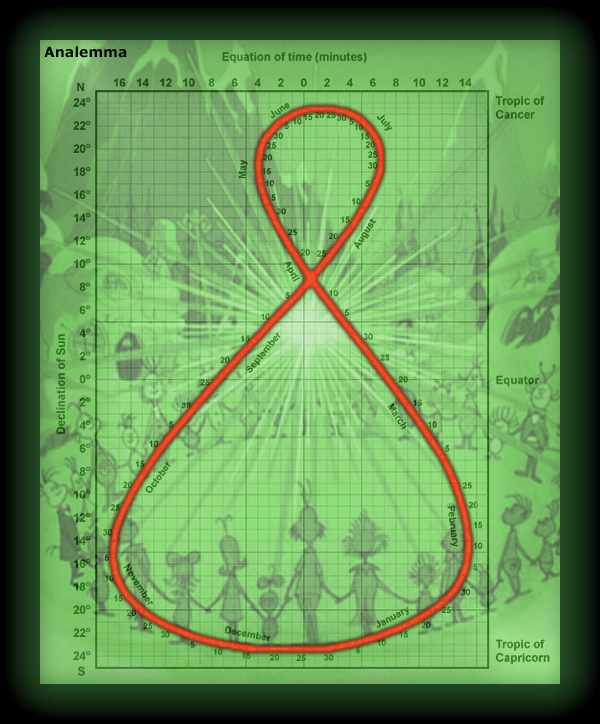
The Earth's tilt creates our seasons as the north and south hemispheres alternate being closer to the sun. The effect slows near the time of the Solstice. Without a precise look, this slowing is perceived as stillness when the daily change in the declination of the sun is less than about 0.03 degrees (December 18-25).
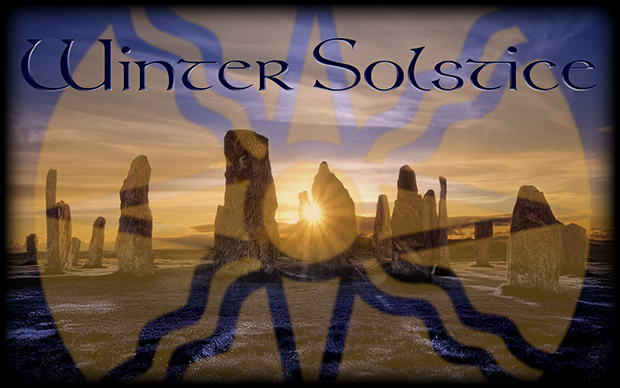
The oldest evidence showing humans had knowledge of the December Solstice comes from the Anatolian Hunter-Gatherers in 9400 BCE in what is now called Turkey. This was right after the last Ice Age. Starting about 7000 BCE, some of the Anatolians moved to western Europe. Over time, their descendants built prehistoric stone monuments across Western Europe that align with the Winter Solstice.
Julius Caesar selected December 25th for the Winter Solstice, but the Julian calendar had inaccuracies. After calendar improvements, the 25th continued to be used because of cultural tradition with Sol Invictus which later transitioned to Christmas.
In 2026, Winter Solstice is Monday, December 21 at 12:50 PM PST, and this is the Yuletide moment when the journey to warmer brighter days begins. May the sources of warmth and light in your life be more apparent in these colder darker days, and may you have a joyous Winter Solstice!
Songs for Winter Solstice